
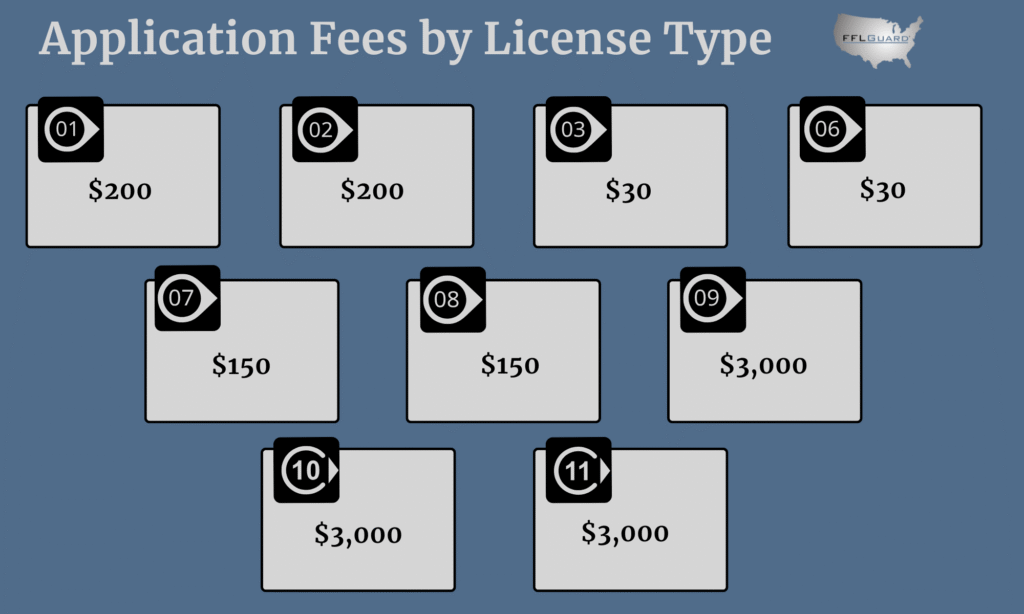
At a Glance: The cost of a federal firearms license ranges from $30 to $3,000, depending on the FFL type you need. Most people apply for a Type 01 Dealer license, which costs $200 for the initial application. Renewal fees are due every three years and vary by license category.
A federal firearms license allows individuals and businesses to legally manufacture, import, or sell firearms in the United States. The Bureau of Alcohol, Tobacco, Firearms and Explosives (ATF) issues these licenses and regulates compliance, along with various state and local authorities.
Understanding the true cost of an FFL matters if you plan to start a firearms business. The application fee is just one piece of the puzzle. You also need to budget for renewal fees, local permits, insurance, and ongoing compliance expenses.
FFL License Costs by Type
The ATF sets different fee structures based on the FFL type and the activities it authorizes. Here are the current federal requirements for each license category:
FFL Type | Application Fee | Renewal Fee (3 Years) |
Type 01 (Dealer) | $200 | $90 |
Type 02 (Pawnbroker) | $200 | $90 |
Type 03 (Collector of curios and relics) | $30 | $30 |
Type 06 (Ammunition manufacturer) | $30 | $30 |
Type 07 (Firearms manufacturer) | $150 | $150 |
Type 08 (Importer of firearms) | $150 | $150 |
Type 09 (Dealer in destructive devices) | $3,000 | $3,000 |
Type 10 (Manufacturer of destructive devices) | $3,000 | $3,000 |
Type 11 (Importer of destructive devices) | $3,000 | $3,000 |
Fees differ based on the level of regulatory oversight each activity requires. Licenses involving destructive devices carry the highest fee due to increased security and compliance demands.
Additional Costs to Know
Beyond the FFL application fee, several other expenses factor into your total investment.
SOT Fees for NFA Items
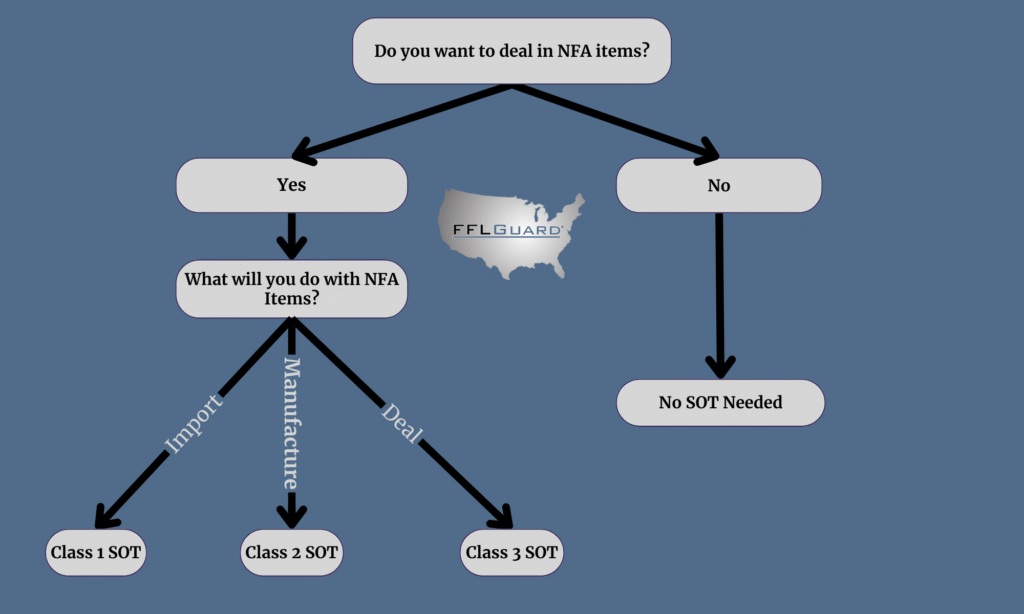
If you plan to deal in items regulated under the National Firearms Act, you need to pay a Special Occupational Tax. This annual tax applies to anyone manufacturing or dealing in NFA firearms like machine guns, short barreled rifles, suppressors, and other restricted items. It’s important to note, even though the registration and transfer tax for suppressors, short barreled rifles, short barreled shotguns and “any other weapon” were reduced to $0 on January 1, 2026, the Special Occupational Tax fees for FFLs was NOT impacted.
Class of Taxpayer | Annual Fee |
Class 1: Importer of NFA Firearms | $1000 |
Class 2: Manufacturer of NFA Firearms | $1000 |
Class 3: Dealer of NFA Firearms | $500 |
Class 1: Importer (Reduced Rate*) | $500 |
Class 2: Manufacturer (Reduced Rate*) | $500 |
*Reduced rates apply to taxpayers whose total gross receipts in the last taxable year were less than $500,000.
Each class has its own annual tax rate set by federal law. This tax is separate from your FFL license fee and must be paid annually to maintain your NFA privileges from July 1 to June 30 each year.
Zoning and Local Business Fees
Your local zoning requirements will vary based on where you operate. State, city and county governments set their own rules for firearms businesses, and these fees fall outside federal jurisdiction.
Before signing a lease, check with your local zoning office. Some areas restrict firearms sales, manufacturing, import and/or exporting to specific commercial zones. You may need business permits, signage approvals, or other local licenses. These costs differ widely by location, so research your specific business premises location early in the planning process.
Insurance for Firearms Dealers
Most firearms dealers carry insurance to protect their business and inventory. While not federally mandated, operating without coverage exposes you to significant financial risk.
Common insurance types for FFL holders include:
- General liability coverage
- Property insurance for your physical location
- Inventory protection for firearms and ammunition
- Product liability coverage
- Umbrella policies for events outside standard business policies
Work with an insurance provider who understands the firearms industry. They can help you identify the right coverage levels for your operation.
Compliance Costs
Every federal firearms licensee must maintain accurate records of all firearm transactions. The ATF requires detailed logs of acquisitions and dispositions, which you can keep in paper or electronic format.
Security is another compliance factor. The ATF expects proper storage for all firearms at your location. This typically means investing in safes, locked display cases, or secure storage rooms. Your ATF Form 7 application will ask about your security measures, so plan these details before applying. State and local regulations can also apply, so
Business Startup Expenses
Opening a gun shop involves standard business costs beyond licensing. Budget for these general categories:
- Initial inventory purchase
- Rent or lease payments for your location
- Office equipment and point-of-sale systems
- Display cases and store fixtures
- Signage and marketing materials
Your total startup investment depends on your business model. A home-based transfer service costs far less than a full retail storefront with extensive inventory.
Training and Consulting Fees
Many new applicants work with consultants or take training courses to prepare for the FFL process. These services help you understand ATF procedural rules, complete your application correctly, and prepare for your interview with an industry operations investigator.
Training programs cover topics like record-keeping requirements, compliance best practices, and inspection preparation. While optional, this education can save you time and prevent costly mistakes during the application process.
Renewal Fees
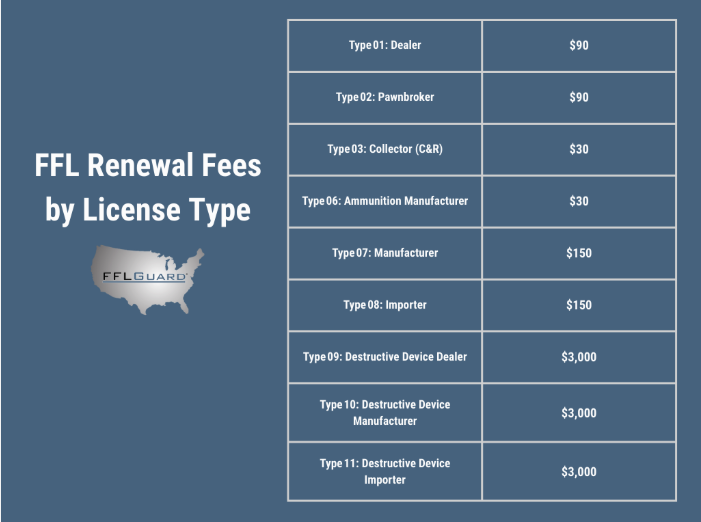
Your FFL license expires after three years. The ATF sends renewal notices before expiration, and you must submit your renewal application and fee on time to avoid a lapse in licensure.
Renewal fees follow the same structure shown in the table above. An FFL dealer with a Type 01 license pays $90 every three years to maintain active status.
Ongoing Operational Considerations for FFL Holders
Obtaining your license is just the beginning. Running a compliant firearms business requires ongoing attention to several areas.
- Record Maintenance: You must keep your acquisition and disposition records current. Every firearm that enters or leaves your inventory needs proper documentation.
- ATF Inspections: Expect periodic compliance inspections from the ATF. Inspectors review your records, verify inventory, and check that your operations match your license terms.
- Transfer Documentation: Each firearm transfer requires specific paperwork. The transfer process includes running a background check through NICS and completing the required forms accurately.
- Policy Development: Establish clear procedures for handling inbound transfers, managing your transferring FFL relationships, and processing customer transactions.
How FFLGuard Helps You Navigate the FFL Process
With so many different license types and fee structures, one of the hardest parts of getting an FFL is knowing where to start. The application process is straightforward for many, but some aspects require careful preparation. This includes the initial application form, background checks, and interviews with ATF personnel.
Directed by The Chiafullo Group, LLC, FFLGuard’s cooperative legal and compliance program has been safeguarding and educating FFLs in the United States since 2008. Their firearms-specific counsel, subject matter experts, and professionals across the country work to help FFLs preserve their licenses and remain in federal and state compliance.
FFLGuard’s legal experts will guide you through the process of opening your gun store while meeting ATF compliance. Whether you need help understanding fee structures, setting up compliant record-keeping systems, or preparing for your IOI interview, their team provides guidance tailored to your situation. Join FFLGuard to learn more about our service plans, and Contact Us with any questions.
Frequently Asked Questions
When a customer purchases a firearm online, the seller ships it to your licensed location. You then process the transfer by completing the required paperwork and running a background check before releasing the firearm to the buyer.
You submit the buyer’s information to the National Instant Criminal Background Check System (NICS). The system returns an approval, denial, or delay status. You cannot complete the transfer until you receive clearance.
The FFL transfer fee covers the dealer’s time, paperwork, background check processing, and liability for handling the transaction. Each shop sets its own fee based on operating costs.
An inbound transfer refers to receiving a firearm shipped from another dealer or individual for transfer to a local buyer. A regular transfer might involve selling from your own inventory directly to a customer.